News
BT Joined as We Cut Energy Use at Verftet
For us it is essential that we manage to reduce energy use at Verftet.
For us it is essential that we manage to reduce energy use at Verftet.
For USF Verftet, the increased electricity prices mean a dramatic increase in costs. BT was on hand when Energy Control and Airthings in just two hours took action that cut energy use by 40 percent.
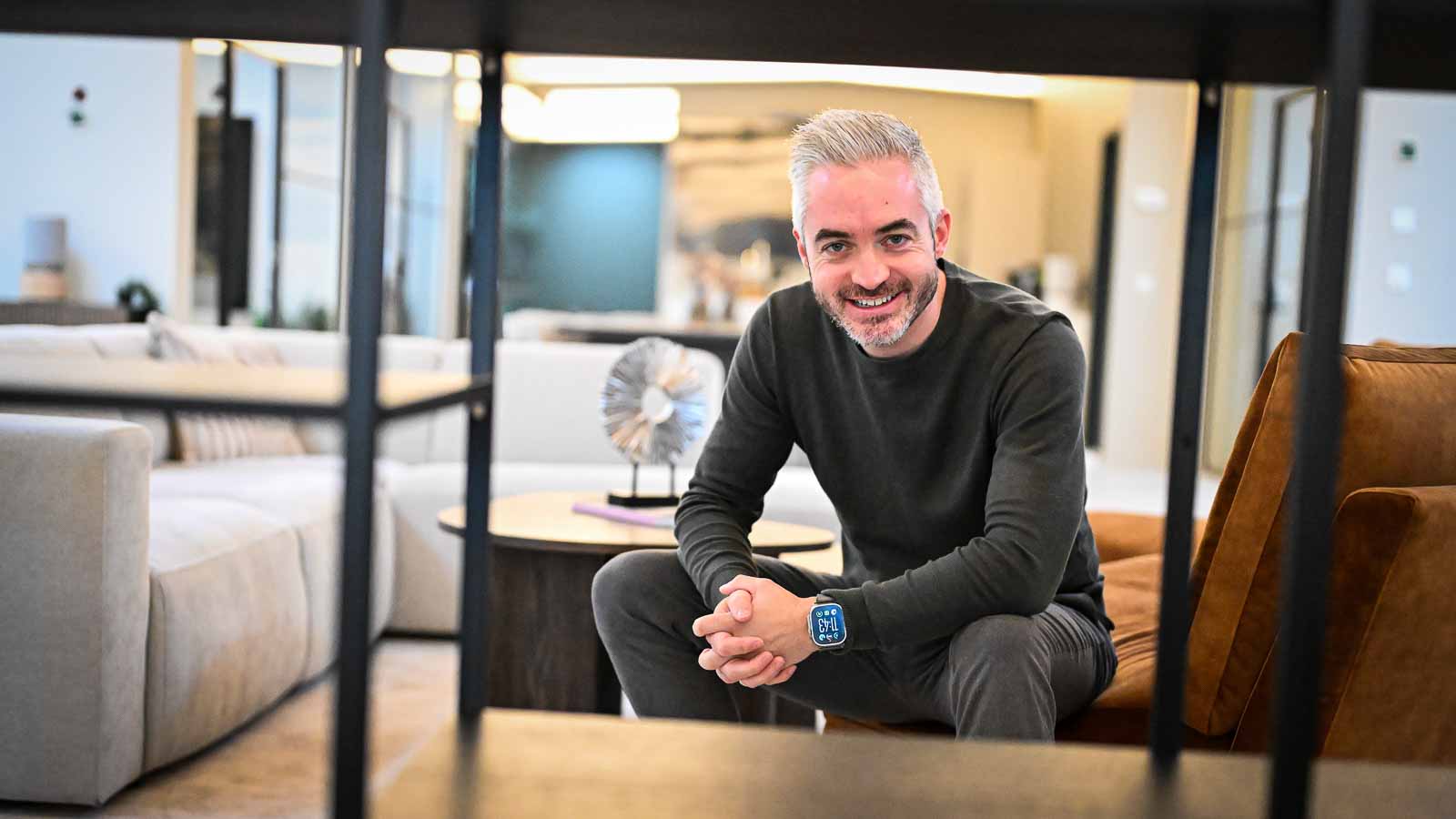
– For us it is essential that we manage to reduce energy use at Verftet. With the increased energy prices, our electricity costs have risen by approximately one million kroner per year. We have therefore been tasked by the board to do what we can to reduce consumption, says Operations Manager at USF Verftet, Hallvard Nomeland.
At the beginning of October, Tommy Hagenes from Energy Control and Petter Marthinussen from Airthings therefore stepped in to see what they could do. Together they installed a handful of Airthings sensors that, among other things, measured air quality and occupancy. These were then connected wirelessly to the building's energy centre. Everything was done in just two hours.
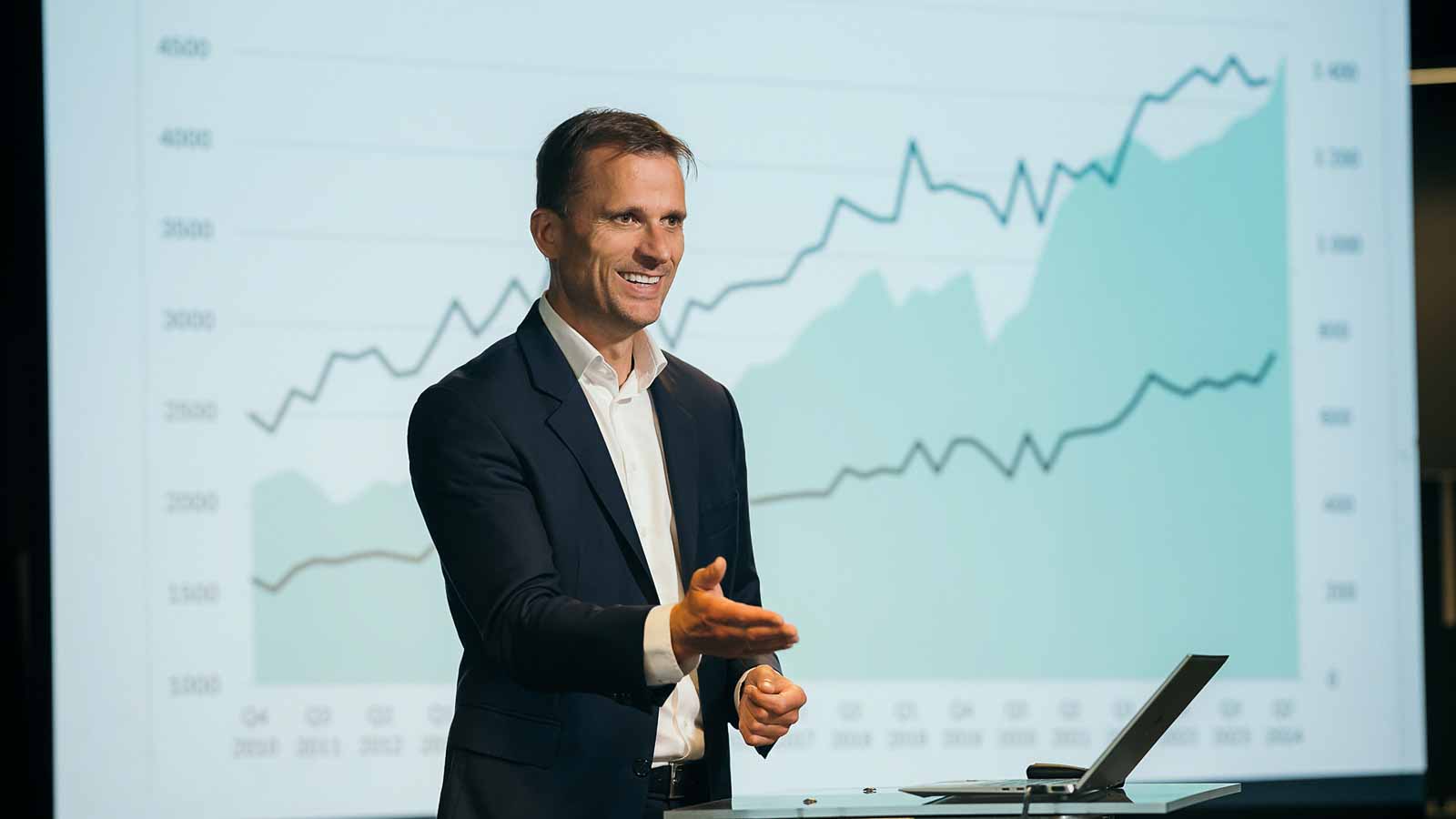
– When we activated the sensors and they took over the management of the building, energy use immediately plummeted by 70 percent. This was at a time when there were no people in the building, so a large drop was expected. After a week of operation we are seeing a reduction of approximately 40 percent, says Hagenes.
Much of the reason for the large energy saving is that the building is now managed based on demand rather than calendar.
– Previously you had to manually go in and manage the ventilation system and tell it when to reduce intensity and when to increase it again. What is new is that today you can leave this to the sensors. The sensors from Norwegian Airthings have become so good that they not only collect data from the building — they can also manage the building based on actual demand. In the vast majority of cases this means significant energy savings, says Hagenes.
The savings USF Verftet has achieved are not unique. A very large number of buildings have the same potential.
– For the individual, this means significant savings, both in pure energy costs but also in costs related to upgrading the building stock. Previously these measures would in very many cases have cost hundreds of thousands, perhaps millions of kroner. New sensor technology makes it possible at a fraction of the cost, says Hagenes.
Nationally, this means Energy Control can genuinely help make a difference, both in terms of the load on the energy grid but also in terms of CO2 emissions.
– That is why we do what we do. We want to contribute to making the construction and property sector greener. We want to make a difference, says Hagenes.
Hallvard Nomeland at USF Verftet explains that this is only the beginning.
– Now all the technical systems are going into EC Dashboard and the building will move completely away from calendar-based management. Our Proptech journey has only just begun, says Nomeland.
Fill in some info and we’ll get in touch by email or phone.
You can also call us on +47 516 10 170

Fyll ut litt info, så tar vi kontakt på epost
eller telefon.
Du kan også ringe oss på telefon
+47 516 10 170