News
This Hotel Has Reduced Consumption by 100,000 kWh
Compared to the same period last year, Sundvolden Hotel has reduced energy consumption by 100,000 kWh.
Compared to the same period last year, Sundvolden Hotel has reduced energy consumption by 100,000 kWh.
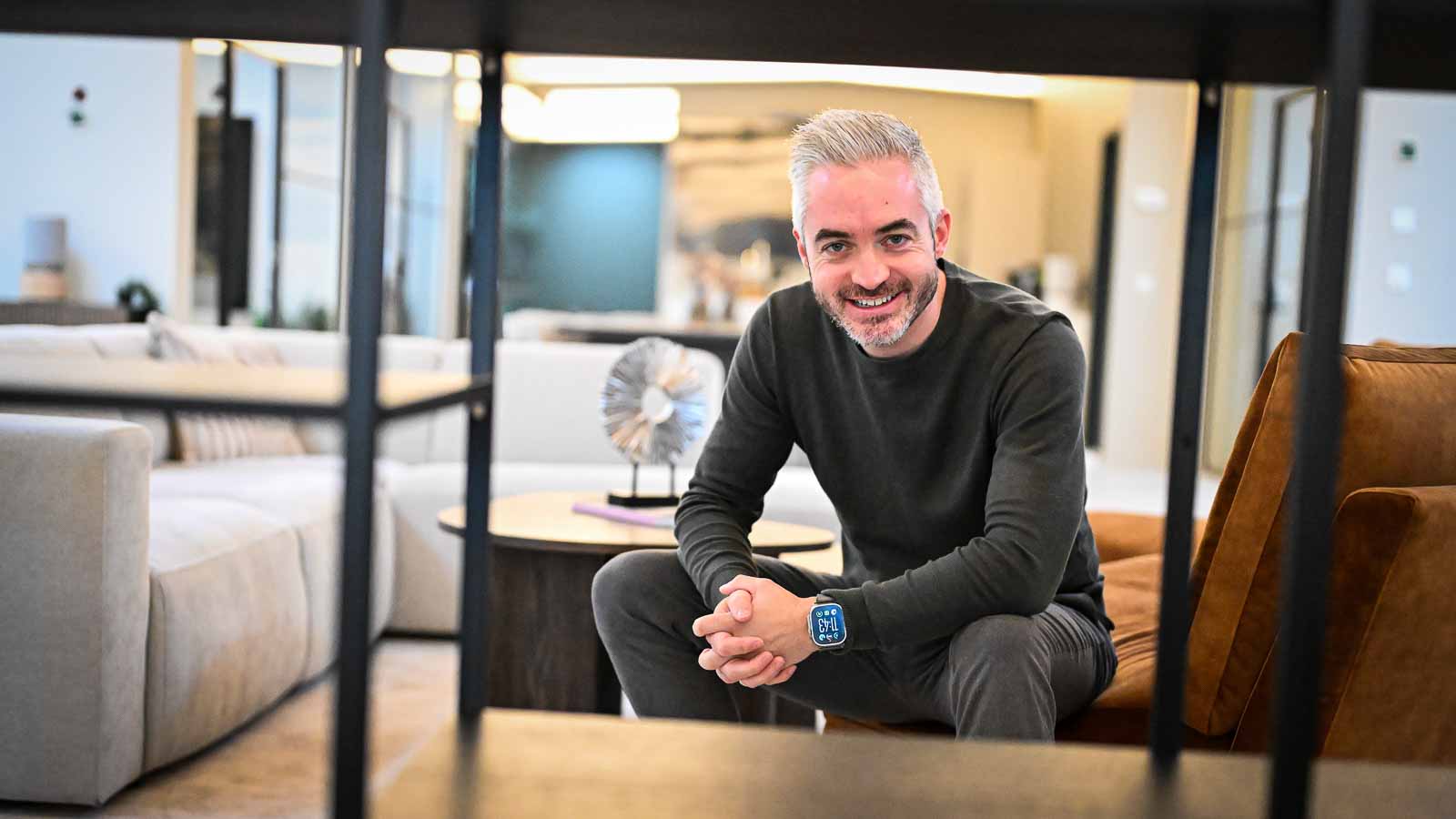
– Over a four-week period this autumn we have reduced total energy consumption by 100,000 kWh, 40,000 kWh in electricity alone. This despite having achieved an all-time high turnover, says hotel owner Tord Moe Laeskogen at Sundvolden Hotel.
He also notes that during the equivalent period last year, the hotel was closed due to the Omicron variant.
– This may therefore suggest that we have lower energy consumption with the hotel open than we did last year when we were shut down, says Laeskogen.
Preparing for higher prices
By the idyllic Tyrifjorden, about an hour's drive from Oslo, lies beautiful Sundvolden Hotel. The family-owned hotel is one of the oldest in the country, with roots going back to 1648. The hotel has a fixed-price electricity agreement until 2024, so for now they are managing well, but from 2025 the electricity bill will make a significant dent in the company's operating result. Laeskogen is therefore now in the process of preparing for a different energy reality.
– We have an annual energy consumption of approximately 3.5 GWh in electricity and approximately 2 GWh from our bio-energy centre. A price increase of one krone per kWh on energy (not electricity, ed.) amounts to 5.5 million kroner in additional costs. These are costs that will cut directly into our profit, says Laeskogen.
Has installed 200 IoT sensors
Laeskogen has therefore enlisted the help of Energy Control, which together with the Norwegian technology company Airthings, has rolled out 80 IoT sensors. The sensors have been placed everywhere from corridors and conference rooms to technical areas and guest rooms.
– The sensors measure occupancy, temperatures and the quality of the indoor climate. These are connected wirelessly to the hotel's energy systems and to the cloud, meaning all data automatically finds its way to EC Dashboard, says Martin McGloin at Airthings.
— In EC Dashboard we then get full control over the building's energy use and what ventilation systems and heating are running at any given time, says Tommy Hagenes at Energy Control.
In addition to the 80 Airthings sensors, the hotel has also installed 100 sensors from Disruptive Technologies, along with 20 energy meters. In total, around 200 sensors have been installed in the hotel, making it what is probably one of the most sensor-dense hotels in the country.
Has saved 100,000 kWh
Laeskogen explains that they are still in an insight phase, with most of the focus on getting to know the building stock of a full 23,000 square metres. In a short time they have nevertheless saved 100,000 kWh of energy, 40,000 kWh in electricity, which they have achieved based on data from the sensors deployed.
– We have discovered faults that would have been difficult to find without the sensors. Remember that we are a large hotel with many different buildings and rooms. Getting full overview can therefore be challenging, says Laeskogen.
He explains that the faults can be as simple as someone having tampered with the heaters, or ventilation running at full capacity the whole time.
– We have rectified the obvious faults, which has resulted in immediate energy savings, says Laeskogen, who explains that they now use EC Dashboard to get a quick overview of whether everything looks right at the hotel.
– Before, we had to go around and check everything, which was impossible to do within a single day. Now we check that all the data in EC Dashboard looks correct and then we are satisfied. It takes us a couple of seconds, says Laeskogen.
About sharing
He emphasises that he himself is at the very beginning of what is all about smart, sensor-based energy management of the hotel.
– I do not have all the answers and people must decide for themselves whether this is something they want to do, but I am committed to sharing my experiences. If someone is inspired to start adopting smart sensors for building management, that is my motivation for telling and sharing my experiences, says Laeskogen.
He explains that the hotel will eventually move to autonomous, sensor-based management. That means the sensors will not only collect data, but also manage ventilation and heating based on occupancy.
– This is just the first step. We will eventually move to sensor-based management, where the hotel is regulated automatically based on occupancy and demand. There is a significant potential there. We are right at the start of what we are convinced will be a very exciting energy journey, says Laeskogen.
Fill in some info and we’ll get in touch by email or phone.
You can also call us on +47 516 10 170

Fyll ut litt info, så tar vi kontakt på epost
eller telefon.
Du kan også ringe oss på telefon
+47 516 10 170