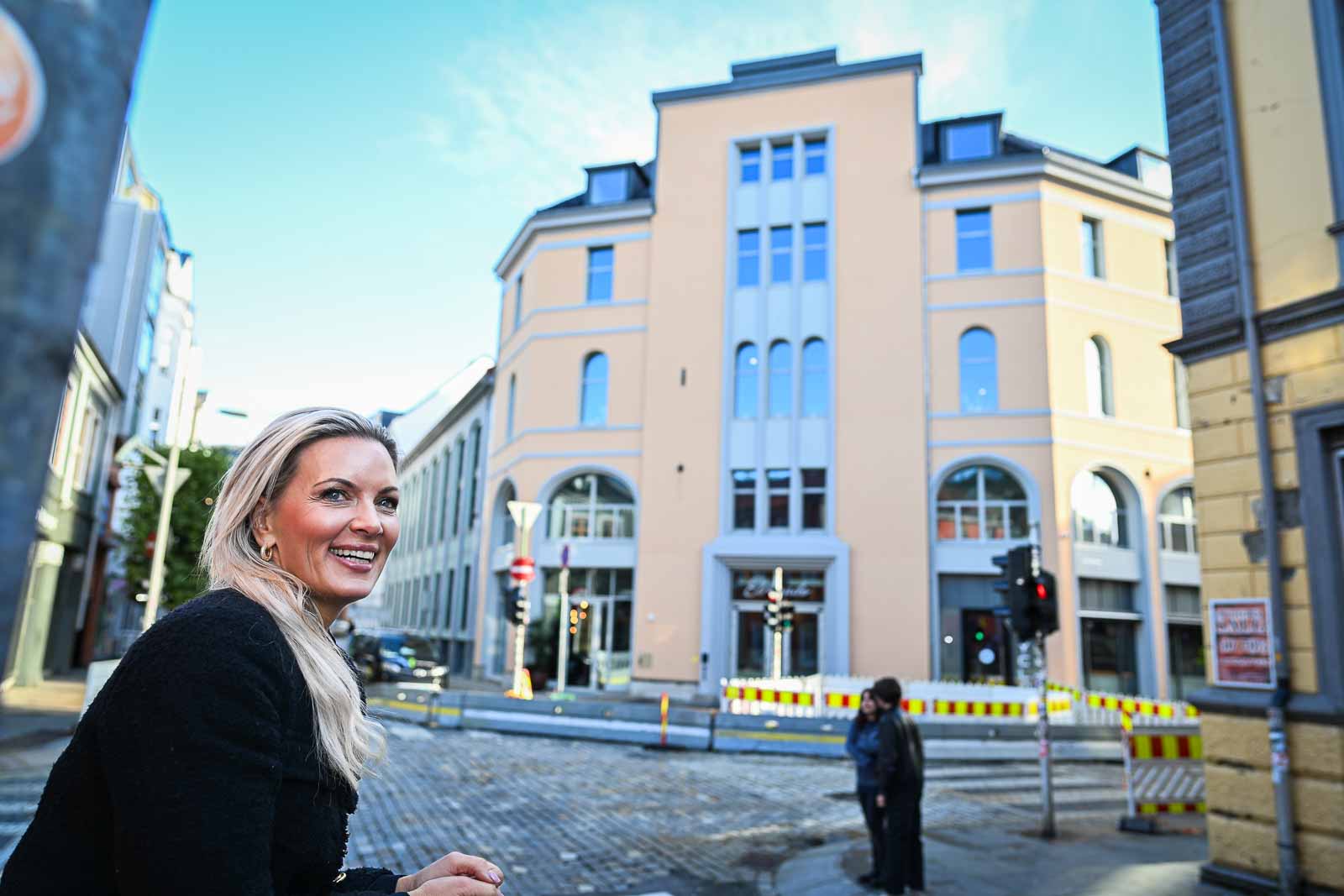
"The market is tougher than it was a few years ago. Higher interest rates, moderate activity in the rental markets and high construction and renovation costs mean property owners are much more forced to think about cost versus benefit," says Thomas Ramcilovic, Director of Analysis and Valuation at DNB Næringsmegling.
Prioritizing concrete energy measures
Every spring and fall, DNB Næringsmegling runs its own investor surveys among the largest players in the Norwegian commercial property market. Among other things, this fall's survey looked more closely at what the players prioritize in sustainability.
"Property owners were clear that they focus less on certifications and taxonomy than they did a couple of years ago. They care more about measures that deliver concrete energy savings," says Ramcilovic, adding:
"The long-standing view among property owners is that tenants want a focus on sustainability, but are rarely willing to pay for it. Pure energy savings, on the other hand, are cost savings both parties can benefit from. So we see this getting a steadily higher priority, especially among the large, professional property owners," says Ramcilovic.
Higher property values
Ventilation and heating are usually the biggest items in energy costs. It's not unusual for these alone to make up 70 to 80 percent of a building's total energy costs. Measures that optimize and reduce the energy used for air and heating can therefore have a positive effect on the building's shared costs.
"And if you reduce the building's shared costs, the tenant's total costs go down too," says Ramcilovic.
For the property owner, this can in turn have a positive effect on the property's value. Lower shared costs can make room for higher rents, which in turn can mean a higher property value.
"We see that tenants are more willing to pay for energy-efficient and sustainable buildings. In other words, the building becomes more attractive, which has a positive effect on its valuation. In our investor survey, buyers say they want buildings with good energy ratings, or where a good environmental profile can be achieved without too much investment. In other words, green, energy-efficient buildings can command a significant premium, while the losers are properties that need a lot of capital to reach a good environmental profile," says Ramcilovic.
Off the blacklist
A third group that places a high value on lower energy use is the banks. In recent years, green buildings have emerged as a clear favorite.
"More and more of the loans banks give have to be green. Stricter EU requirements mean banks prefer buildings that meet the green requirements. Both banks and investors see energy-efficient buildings as the lowest risk, which affects the pricing of both financing and properties. Investors want green buildings, or buildings that can be made greener and more energy-efficient with simple measures," says Ramcilovic, and concludes:
"Actively working to reduce a building's energy use is therefore a smart move in terms of value too, in both the short and the long term."
Small steps, big impact
Tommy Hagenes, CEO and founder of Energy Control, agrees with the experienced DNB analyst.
"Property players are asking for action and measures that actually work," says Hagenes. Energy Control uses new property technology to take control of ventilation and heating in existing and new commercial buildings. The company usually achieves energy savings of between 20 and 40 percent.
"It's often about simple measures that reduce energy costs for both tenant and property owner. That it can also help increase property values for the owner is of course a nice bonus," says Hagenes.
Better energy management → lower energy use → lower shared costs → lower total cost for the tenant → more attractive building → potential for higher rent / lower vacancy / lower risk → lower yield requirement → higher property value